
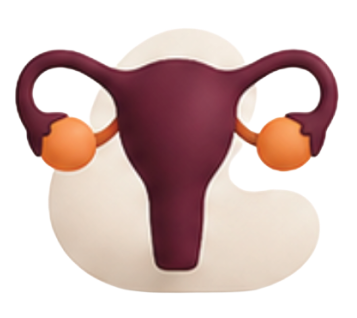
What genitourinary syndrome of menopause means
It is an umbrella term for a set of related changes driven by falling oestrogen and androgen in the tissues of the vulva, vagina, and lower urinary tract. Symptoms include vaginal dryness, irritation, and pain during sex, along with urinary urgency, discomfort passing urine, and recurrent urinary tract infections (Journal of Women's Health, 2026). They often arrive together because they share the same underlying cause.
Why it does not simply pass
This is the key difference from hot flushes. Vasomotor symptoms tend to peak and then ease over the years after the last period. Genitourinary symptoms behave differently, because the tissue changes are ongoing, they are chronic and progressive, and they commonly get worse over time if nothing is done (Journal of Women's Health, 2026). Waiting it out is therefore the one approach unlikely to work.
Why so many women stay quiet
Genitourinary symptoms are under-reported and under-treated, often because they feel private or are assumed to be an unavoidable part of ageing. That silence has a cost, because effective, well-evidenced treatments exist. The condition is common, it is not a personal failing, and it is very treatable, which is exactly why it is worth naming out loud.
When to talk to a doctor
Please raise these symptoms with your doctor, especially if sex is painful, if you have recurrent urinary tract infections, or if bladder symptoms are affecting your life. Local vaginal oestrogen and non-hormonal options are effective and can make a real difference. Any unusual bleeding, or pain that does not fit, should be checked. anna does not diagnose, and this article is not medical advice.